To everyone here, all BPV members, staff & patients of Barnabas MC …
However you celebrate
may you have an enjoyable and relaxing Christmas
and a healthy & happy 2026
To everyone here, all BPV members, staff & patients of Barnabas MC …
However you celebrate
may you have an enjoyable and relaxing Christmas
and a healthy & happy 2026
As is usual, NW London NHS has published the list of pharmacies which will be open over the holidays. The list for the whole of London can be downloaded here.
As well as flu, there is a lot of the Winter vomiting bug, Norovirus, around. This bug is very infectious, and there is no treatment, and no vaccine, for it – so you need to be aware and take care to avoid it.
The symptoms are essentially vomiting and diarrhoea.
If you have the virus you must:
Yes, basically you have to sit it out!… more >>>
Given the current high rates of flu around, here’s advice from the NHS …
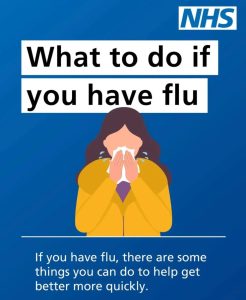
If you have symptoms of flu: coughing, sneezing or fever – help stop the spread.
Resident doctors have announced strikes from 07:00 Friday 14 November to 07:00 Wednesday 19 November.
During this time services will be very busy. Please help the NHS help you by calling NHS 111 or visiting NHS 111 Online for advice.
Hospital services will be affected:
London North West University Healthcare NHS Trust (LNWH), which runs Ealing, Central Middlesex and Northwick Park hospitals, will report to a new CEO from next April.
Professor Tim Orchard, currently leads Imperial College Healthcare NHS Trust, and has been appointed as the first group CEO of the new North West London Acute Provider Group.… more >>>
The NHS is warning that the winter flu has started 6-8 weeks early this year, and this is partly down to a new mutation in the H3N1 flu virus. It could be the worst flu season for a decade or more.
The bottom line is basically that if you’re eligible, or can afford to pay, please get your flu jab.… more >>>
The UK Health Security Agency (UKHSA) has issued another warning about measles. Infections in Europe (including UK) are at a 25-year high, so there is concern that unvaccinated holidaymakers are especially vulnerable to catching the disease (and, of course, bringing it home after a ruined holiday).
There’s a BBC News report at https://www.bbc.co.uk/news/articles/c706y4jr95lo… more >>>
Today, UKHSA and Animal and Plant Health Agency have confirmed the first detection of West Nile virus in mosquitoes collected in the UK. There is currently no evidence to suggest ongoing circulation of the virus in birds or mosquitos in the UK and the risk to the general public is very low.… more >>>
A batch of the blood pressure drug Lercanidipine is being recalled as the wrong dose has been printed on the packaging.

See the full details at https://www.gov.uk/government/news/patients-urged-to-check-packs-of-blood-pressure-medicine-lercanidipine-after-labelling-error and in a BBC report at https://www.bbc.co.uk/news/articles/cwy7kpwn9l4o.